Pink Eye, Styes, and Rashes: How Virtual Care Can Treat Common Eye & Skin Issues
It’s 7 AM. Your child wakes up, and their eye is… red, goopy, and swollen shut. Panic. Your first thought is pink eye. Your second is, "I can't miss work." This is the exact moment an online doctor for pink eye becomes a lifesaver. No parent wants to drag a child with a mysterious rash or a painful style into a crowded clinic. You're searching for an online doctor for pink eye because you need answers fast. The great news is that for many common visual issues, an online doctor for pink eye is the fastest, most effective solution. This guide will show you how virtual care from an online doctor for pink eye can get you a diagnosis and treatment plan before your first cup of coffee is cold.
Pink Eye Panic: Why an Online Doctor for Pink Eye is Your Best First Call
That dreaded diagnosis—conjunctivitis, or pink eye—is a rite of passage for parents. The panic is real, especially when you see that red, weepy eye and hear the daycare rule: "They can't return until they've been on antibiotics for 24 hours." This is where an online doctor for pink eye is a game-changer. The key to virtual diagnosis is that most forms of pink eye are… well, visual. A trained provider can tell a huge amount of information just by looking at the eye and asking you key questions.
On parenting forums like Reddit's r/Parenting, you'll see the threads every morning:
"Is this pink eye? School says he needs a note!" This is the problem telehealth was born to solve.
An online doctor for pink eye will triage your child's symptoms to determine the type of pink eye, which is critical.
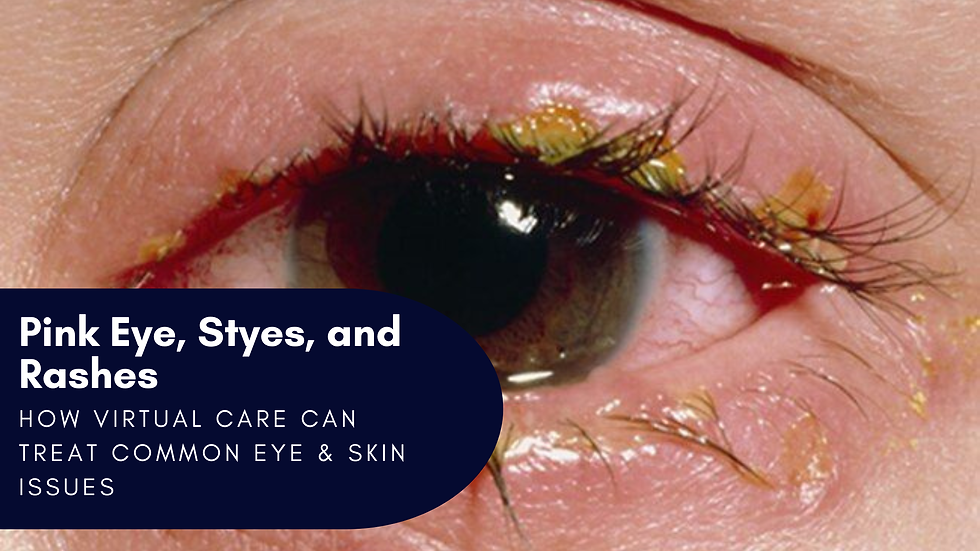
Bacterial Pink Eye: This is the "goopy" one. It usually has thick, yellow, or green discharge (pus) that makes the eye crusty and stick shut. This is the type that requires antibiotic eye drops. A virtual doctor can see this, confirm the diagnosis, and send a prescription to your pharmacy immediately. No waiting room, no germs, no missed work.
Viral Pink Eye: This is the most common type. It's often watery, red, and accompanied by a cold or runny nose. It's also highly contagious. The treatment? There isn't one. It's a virus, so it just has to run its course. An online doctor for pink eye provides the immense value of saving you a co-pay and a trip, just to be told, "Wait it out." They can give you a care plan (warm compresses, rest) and that all-important school note.
Allergic Pink Eye: If both eyes are itchy, watery, and red—and your child is also sneezing—it's likely allergies. The doctor won't prescribe antibiotics but will instead recommend the correct (and safe) allergy eye drops or oral medication.
This immediate differentiation is why virtual care is so effective. You get a diagnosis, a prescription if needed, or a solid home-care plan in minutes.
The "Mystery Rash": How Virtual Rash Diagnosis Works
Next to a red eye, an unexplained rash is a top-tier parent panic. Is it ringworm? Eczema? Hives? Is it that scary one? This is where a virtual rash diagnosis via telehealth dermatology shines. In fact, many dermatologists now run their practices almost entirely on this model. Why? Because a high-quality smartphone camera is a phenomenal diagnostic tool. A doctor doesn't just need to see that you have a rash; they need to see its characteristics. This is where an online doctor for pink eye service, which is already set up for visual diagnosis, excels at handling skin issues too.
Here's how to make your virtual rash diagnosis visit successful (a little "how-to"):
Take Great Photos: Don't wait for the video call. Before your visit, take at least three photos in bright, natural light (near a window).
One from a distance, to show the location and spread of the rash.
One up-close, to show the texture (bumpy, flat, scaly).
One from the side, to show if it's raised.
Be Ready with Answers: The doctor will ask, "Is it itchy? Painful? Did it appear after a new food, soap, or playing outside? Does your child have a fever?"
With this information, a provider can confidently diagnose and create a treatment plan for a huge range of common childhood skin issues:
Eczema: They can recommend the right over-the-counter hydrocortisone or prescribe a stronger steroid cream.
Ringworm (Fungal): This requires a specific antifungal cream. Guessing in the pharmacy aisle won't work.
Contact Dermatitis (like Poison Ivy): They can prescribe oral steroids or soothing creams to stop the miserable itch.
Hives (Urticaria): They can help you identify a potential allergic trigger and recommend an antihistamine.

The [American Academy of Dermatology Association] has noted the high accuracy and patient satisfaction of teledermatology. For a parent, this means you can get an answer and a prescription for that "mystery rash" in an hour, not a week.
The same way you'd trust an online doctor for pink eye, you can trust a virtual doc with a rash. The peace of mind from getting a "that's not a scary one, here's the cream" diagnosis is worth everything. And if it is a scary one, they become your most important resource, directing you immediately to in-person ER or urgent care. The "triage" service alone is critical. This is far more reliable than asking Quora, "What is this rash on my kid?" and getting three different, terrifying answers. An online doctor for pink eye platform provides a level of expertise and speed that forums simply can't.
Stye Spy: Getting Fast, Effective Stye Treatment Online
Your child wakes up with a painful, red, pimple-like bump on their eyelid. It's clearly not pink eye, but it's just as alarming. This is likely a stye, which is a small, painful infection or inflammation of an oil gland on the eyelid. The primary question a parent has is, "What do I do, and how do I make it go away?" This is a perfect use case for stye treatment online. You don't need to go to an office for this. A provider can look at the bump (or a clear photo) and instantly differentiate it from something more serious. This is where having an online doctor for pink eye on call is so valuable—they are experts in all common eye-front issues.
The provider will almost certainly not prescribe antibiotics at first. This is key. The best stye treatment online is also the simplest, and a doctor can give you the confidence to do it correctly.
Warm Compresses: This is the gold-standard treatment. The doctor will instruct you to use a clean cloth soaked in very warm (not hot!) water. Have your child hold this compress on the stye for 10-15 minutes, 3-4 times a day. This warmth encourages the blocked gland to open, drain, and heal.
No Popping: The doctor will emphatically tell you not to squeeze or pop the stye. This is a common parent/patient mistake that can spread the infection and make it much, much worse.
Gentle Cleansing: They may recommend gently washing the eyelid margin with a tear-free baby shampoo.
A virtual doctor, like an online doctor for pink eye, can also tell you when it's not a simple stye. They can identify if it's progressing to something more serious, like cellulitis (a widespread infection of the eyelid skin), which would require immediate in-person care. This expert triage saves you time, worry, and money. Instead of rushing to an urgent care, you get a clear, safe, and effective home-care plan in minutes from a professional who can distinguish a stye from a bacterial infection—a differential diagnosis that an online doctor for pink eye is perfectly trained to make.
Got a Red Eye or a Mystery Rash?
Don't guess, and don't sit in a waiting room. Get a fast, professional diagnosis from the comfort of your home. Get a fast diagnosis from home. Book an appointment.
Frequently Asked Questions (FAQ)
1. How do I know if my child's pink eye is bacterial or viral?
You can often tell by the eye's discharge. A doctor can confirm this, but here are the key signs:
Bacterial pink eye typically has thick, yellow, or green discharge (pus). This goop is persistent and often makes the eye "stick shut" after sleeping.
Viral pink eye usually has clear, watery discharge. It's often accompanied by a cold, runny nose, or sore throat.
Allergic pink eye is typically very itchy, watery, and affects both eyes.
2. When should I be worried about a child's rash?
You should seek immediate in-person emergency care if a rash is:
Accompanied by a high fever and your child seems very ill.
Paired with difficulty breathing or swelling of the lips/tongue.
Looks like purple or red dots that do not turn white when you press on them (petechiae). For most other rashes (eczema, ringworm, contact dermatitis), a virtual rash diagnosis is a safe, fast, and effective way to get a treatment plan.
3. What is the fastest way to treat a stye at home?
The fastest, safest, and doctor-approved stye treatment online or in-person is a warm compress.
Soak a clean, soft cloth in very warm (not scalding) water.
Gently hold the compress over the affected eye (with the eye closed) for 10 to 15 minutes.
Do this 3 to 4 times a day. This warmth helps the stye come to a head and drain on its own. Never, ever try to squeeze or pop a stye, as this can spread the infection.
4. How long is pink eye contagious?
It depends on the type, which an online doctor for pink eye can help determine.
Bacterial pink eye is no longer contagious 24 hours after antibiotic eye drops have been started.
Viral pink eye is highly contagious (like a cold) and remains so as long as symptoms (watery, red eyes) persist, which can be for one to two weeks. Your doctor can provide a note for daycare or school with specific guidance.
5. How does a virtual visit for a rash even work?
It’s simple, secure, and very effective. Most telehealth dermatology visits work like this:
Upload Photos: You'll be asked to take and upload clear, high-quality photos of the rash in good, natural lighting before your visit.
Video Call: During your live video call, the doctor will review the photos.
Answer Questions: The doctor will ask key questions, such as: "When did it start?" "Is it itchy or painful?" "Has your child been exposed to new soaps, foods, or been in the woods?" Based on the photos and your answers, the doctor can make a diagnosis and send a prescription or a detailed over-the-counter treatment plan.



Comments