Top Questions About Virtual Urgent Care Answered
You’re busy. Your schedule is packed with meetings, deadlines, and personal commitments. The last thing you have time for is a long commute and an even longer wait in a clinic waiting room for a common health issue. You’ve heard of virtual urgent care, but you’re skeptical. Is it a legitimate, high-quality solution, or just a waste of your valuable time?

We get it. As a professional, you value efficiency, but not at the expense of quality. This no-nonsense online doctor FAQ is designed to answer your most pressing questions and address common objections head-on.
Q1: What exactly is virtual urgent care, and am I seeing a real doctor?
Yes, absolutely. Think of virtual urgent care as a traditional urgent care visit, but conducted remotely through a secure, private video call. You are connecting with a real, U.S.-licensed, board-certified physician or nurse practitioner. Every provider is fully qualified to diagnose, treat, and prescribe medication for a wide range of common medical conditions, just as they would in a physical office.
Q2: How can a doctor really diagnose me without an in-person exam?
This is a key question. While a virtual visit can't replace an ER for emergencies, it's incredibly effective for many common issues. A high-quality diagnosis is built on two things:
A Thorough Medical History: Your doctor will listen carefully as you describe your symptoms, when they started, and what you’ve tried. This verbal history is one of the most powerful diagnostic tools a doctor has.
Visual Assessment: A high-definition video call allows the doctor to see what's going on. They can look at your throat, assess a skin rash, observe your breathing, watch your movements, and see your general appearance (e.g., if you're flushed, pale, etc.). You'd be surprised how much a trained medical professional can learn just by seeing and talking to you.
Q3: Is telehealth safe? Is my personal information protected?
This is a non-negotiable, and the answer is yes. We treat your privacy with the utmost seriousness. All virtual urgent care visits are conducted on a secure, HIPAA-compliant platform. This means the technology uses end-to-end encryption, and your entire visit—from your chart to the video call itself—is 100% confidential and protected, just as it would be in a hospital or clinic.
Q4: How do virtual doctors prescribe medicine?
The process is simple and streamlined. If your doctor determines that a prescription is a necessary part of your treatment plan, they will ask for your preferred pharmacy. The prescription is then sent electronically, directly to that pharmacy, often before your call has even ended.
It’s important to note that to ensure patient safety, virtual doctors cannot prescribe controlled substances, narcotics, or certain other high-risk medications. For common illnesses like a UTI, sinus infection, or allergies, it’s the fastest, most efficient way to get the medicine you need.
Q5: What conditions are appropriate for virtual urgent care? And when should I NOT use it?
This is crucial for not wasting your time. Virtual urgent care is ideal for common, non-life-threatening conditions.
Good for Virtual Care:
Colds, Flu, and Cough
Sinus Infections
Allergies
Urinary Tract Infections (UTIs)
Common Rashes and Skin Issues (e.g., eczema, acne)
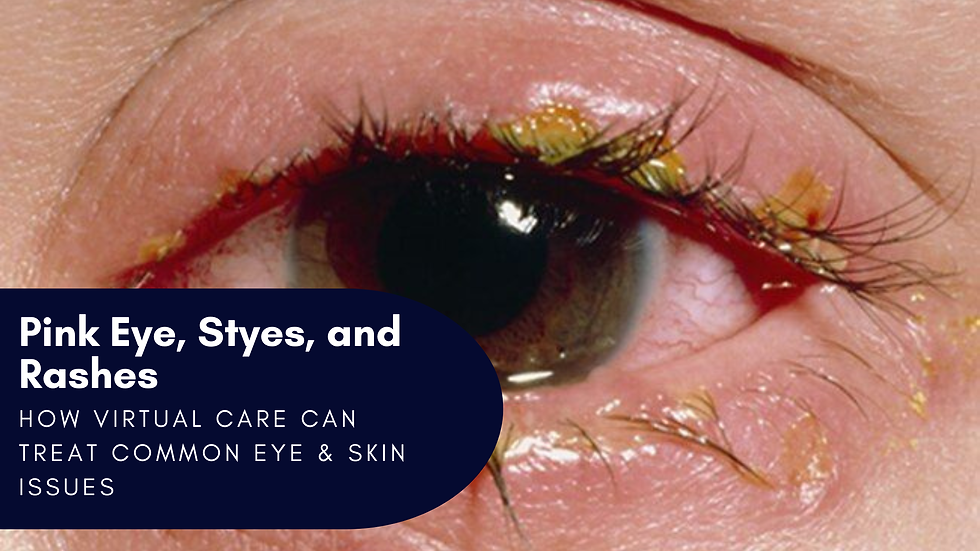
Pink Eye
Sore Throats
Minor sprains and strains
Go to an ER or Call 911: You should never use virtual care for a medical emergency. Go directly to an emergency room for:
Chest pain or difficulty breathing
Signs of a stroke (e.t., facial drooping, slurred speech)
Severe injuries or deep cuts
Sudden, severe headaches
Loss of consciousness
Setting these clear boundaries ensures you get the right level of care, right when you require it.
Q6: Is this covered by my insurance or HSA/FSA?
We believe in transparent, upfront pricing. You will see the cost of your visit before you book. Many insurance plans do cover telehealth services, and we make it easy to pay for your visit using your Health Savings Account (HSA) or Flexible Spending Account (FSA) card, making it a smart, cost-effective choice for professionals.
Have questions? We have answers. See our FAQs or book a visit to speak directly with a doctor.


Comments